 Everyday

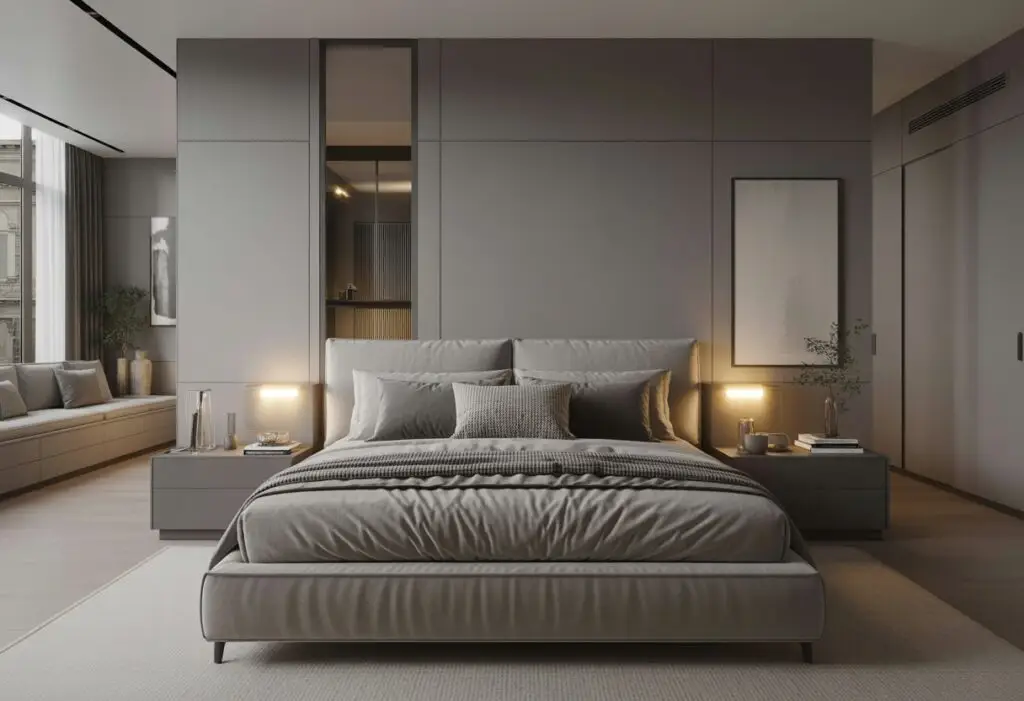
These ideas show how to balance gray shades, textures, lighting, and accent colors for a sleek bedroom that feels comfortable rather than cold. From streamlined furniture to layered bedding and thoughtful finishing touches, each approach helps shape a cohesive modern scheme.
1) Soft dove-gray walls with crisp white trim
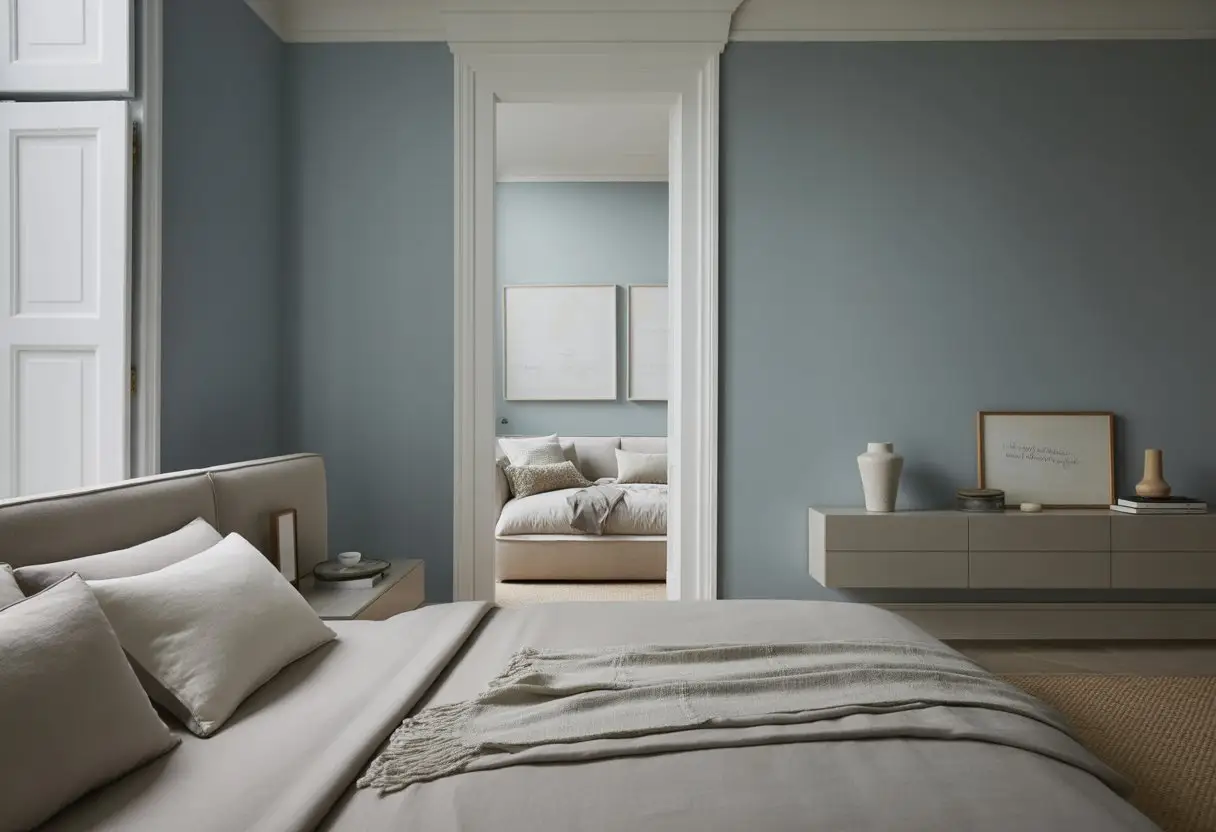
Soft dove-gray walls create a calm, bright base for a contemporary bedroom. The shade adds more depth than plain white while keeping the room feeling open and light.
Crisp white trim around the windows, doors, and skirting boards gives the walls a clean, defined edge. White bedding can repeat this contrast, creating a simple and coordinated palette without making the space feel stark.
Modern furniture in pale wood, white, or black works well with this color scheme. A low-profile bed, streamlined nightstands, and simple lighting help maintain a sleek appearance.
Texture keeps the neutral colors from looking flat. They can add a wool throw, linen bedding, a softly patterned rug, or upholstered furniture in a slightly darker gray.
Warm bulbs and natural light affect how the paint appears throughout the day. They should test a sample on several walls before painting, since dove gray can look cooler or warmer depending on the room’s light.
2) Charcoal accent wall behind the bed
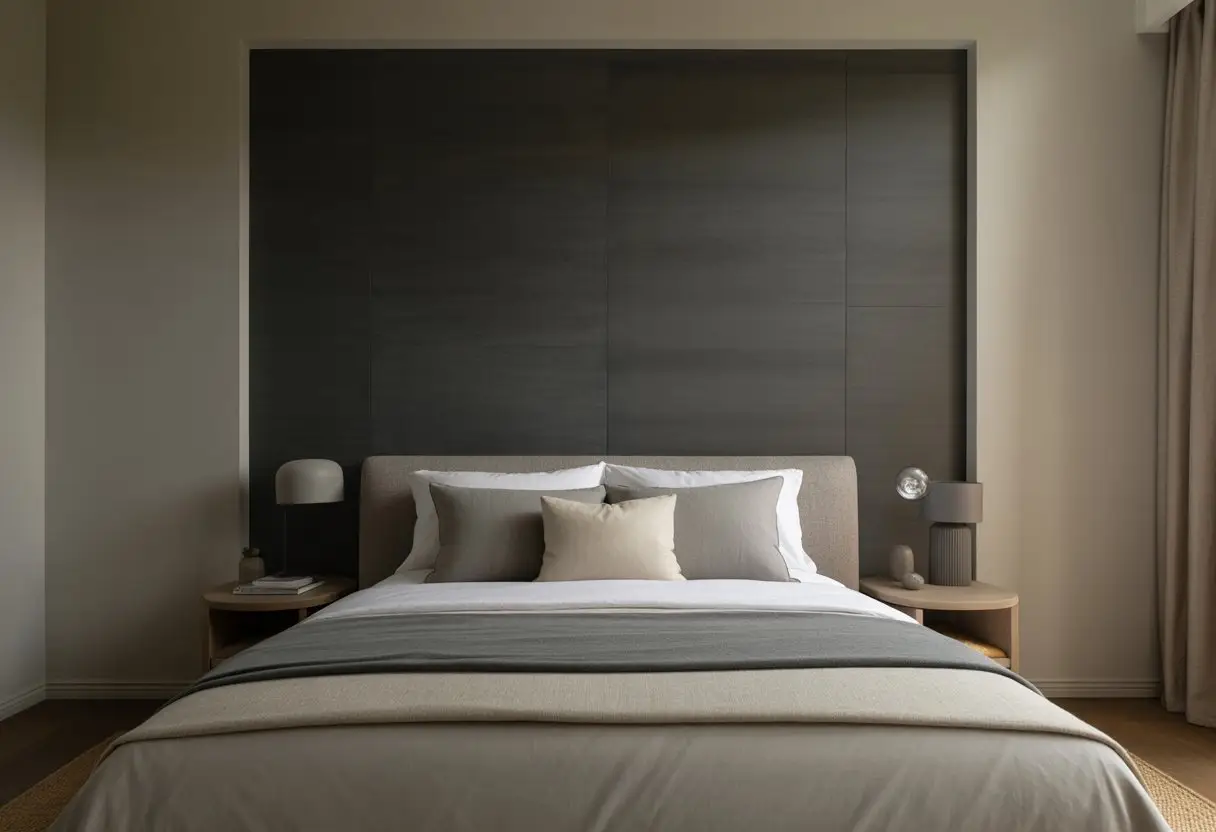
A charcoal accent wall behind the bed gives the room a strong focal point without covering every wall in a dark shade. The deep grey works well with white, cream, or light grey bedding, which keeps the space balanced and bright.
A soft upholstered headboard can add comfort and contrast against the painted wall. Light wood nightstands, warm metal lamps, and simple artwork help soften the darker color while keeping the design contemporary.
The wall can also feature charcoal shiplap for added texture. Its horizontal lines create visual interest and can make the room feel wider, especially when paired with simple furniture and uncluttered decor.
Lighting plays an important role in this design. Bedside lamps, wall sconces, or concealed lighting can brighten the charcoal surface and create a calm setting without weakening its visual impact.
3) Layered gray bedding in varied textures
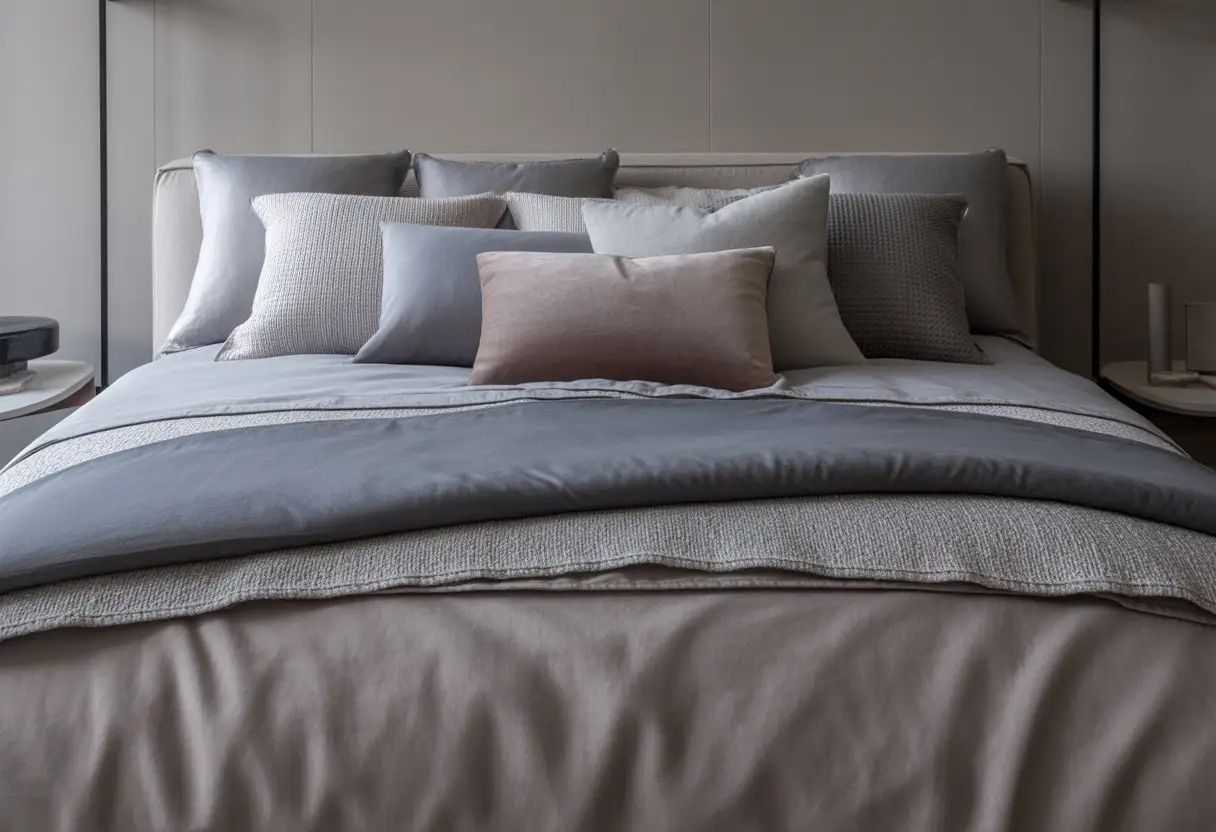
Layered gray bedding adds depth without making a contemporary bedroom feel busy. A gray linen fitted sheet, white cotton percale duvet cover, and soft gray pillowcases create a clean base with subtle contrast.
They can add a cream or light gray throw at the foot of the bed for warmth. Choose materials with different finishes, such as smooth cotton, textured linen, and knitted wool, to keep the muted color palette interesting.
A charcoal duvet or gray upholstered headboard can anchor the room. Warm wood nightstands, black lighting, or a brass lamp can prevent the space from feeling flat or too cool.
They should keep the main bedding within a few related gray tones. This approach creates a polished look while allowing texture, rather than bold color or heavy patterns, to provide visual interest.
4) Upholstered gray platform bed
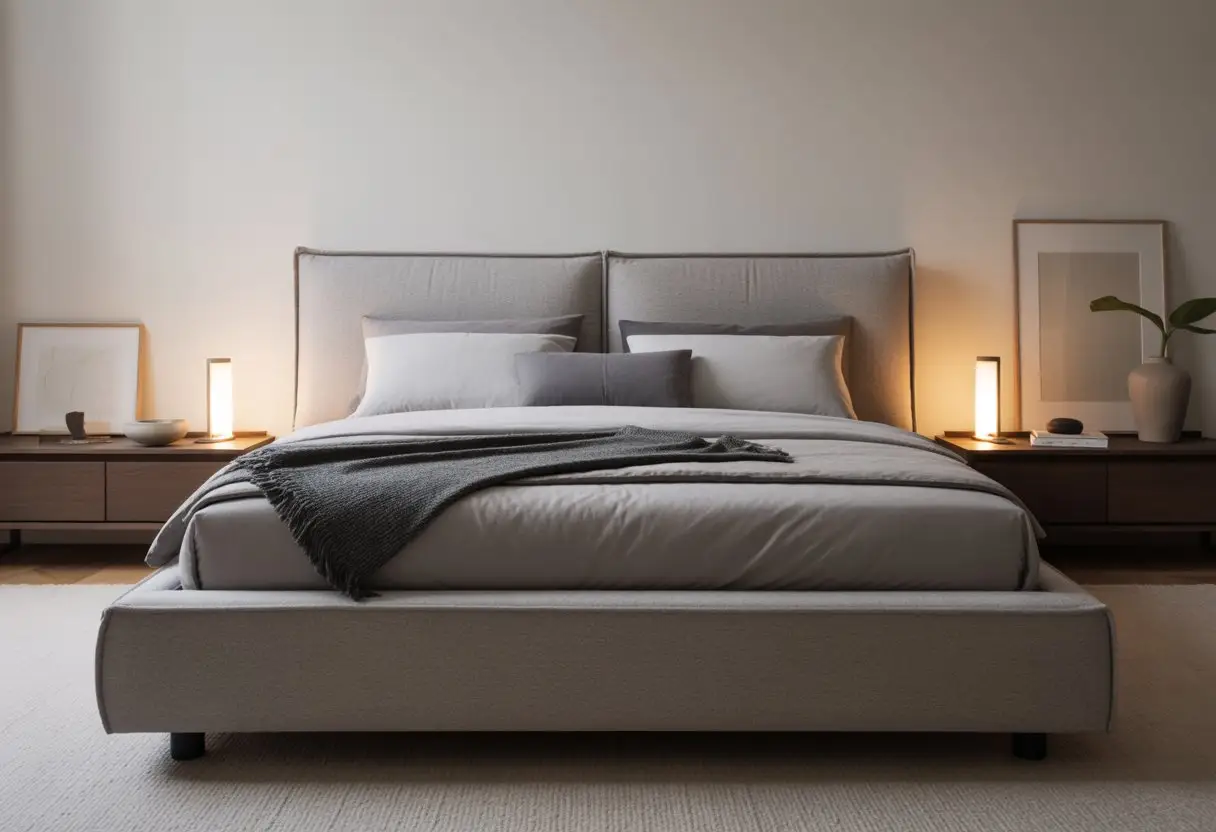
An upholstered gray platform bed adds softness to a sleek bedroom without making the design feel heavy. Its low profile and clean lines support a contemporary style, while the fabric headboard creates a comfortable backdrop for reading or relaxing.
Crisp white bedding creates a fresh contrast against gray upholstery. For more color, the room can include muted blue pillows, a blue-toned rug, or artwork with cool shades. Light wood nightstands help balance the bed’s soft texture and keep the space from looking too uniform.
A platform design often removes the need for a box spring, which gives the bed a simple, streamlined shape. Some models also include drawers or lift-up storage, making them useful in bedrooms with limited closet space.
Performance fabric can make daily care easier, especially in homes with pets or children. Before buying, shoppers should check the bed’s dimensions, assembly needs, mattress support, and the fabric’s cleaning instructions.
5) Sleek black nightstands with gray decor
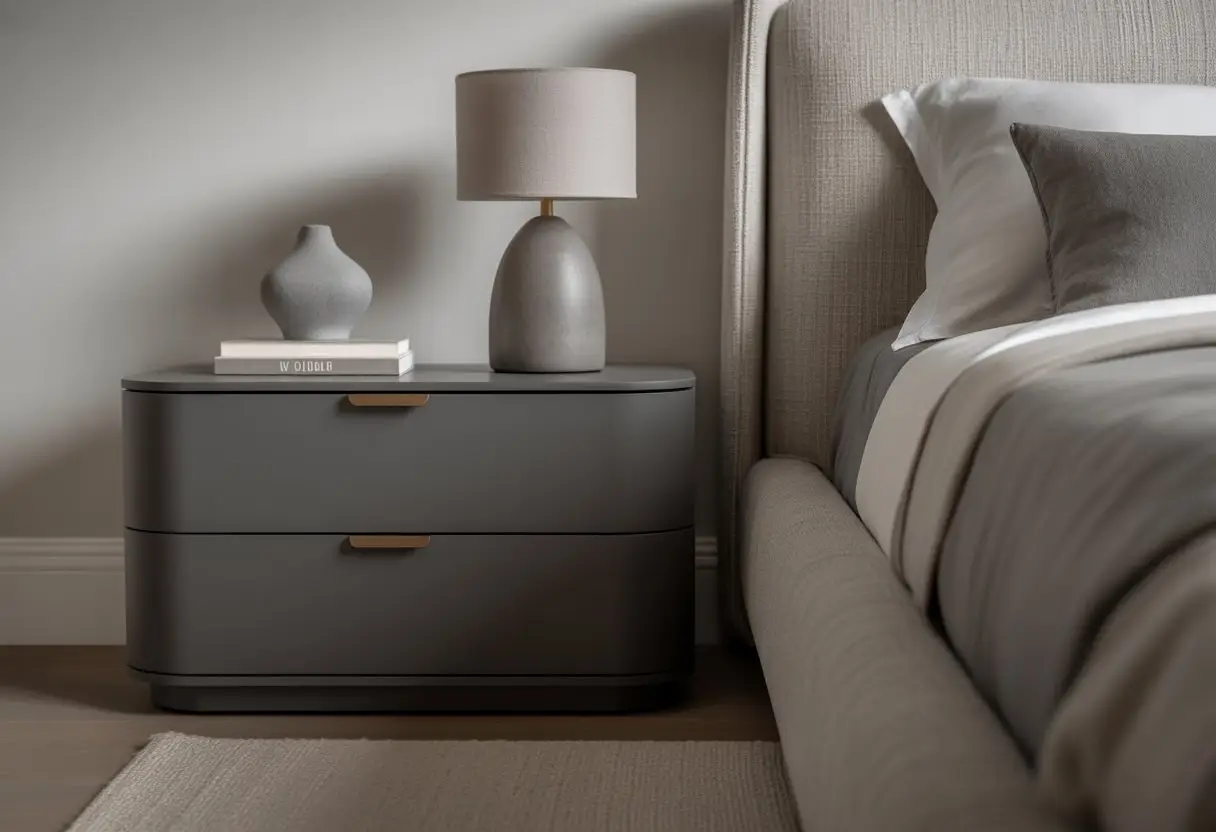
Sleek black nightstands give a gray bedroom a clean, structured look. Their dark finish creates contrast against light gray walls, bedding, or rugs without adding bright color.
A simple nightstand with straight lines works well in a contemporary room. Matte black finishes feel understated, while black wood grain adds warmth and texture.
The room can balance the dark furniture with soft gray bedding, a pale gray wall, or a textured area rug. Mixing materials, such as wood, fabric, glass, and metal, keeps the neutral palette from feeling flat.
Black table lamps, framed prints, or small decorative objects can repeat the nightstand’s finish. Limiting these accents helps the space look organized rather than crowded.
For a softer effect, they can pair black nightstands with warm gray textiles and layered lighting. A low-profile bed and uncluttered surfaces reinforce the sleek, modern style.
6) Gray and natural wood color pairing
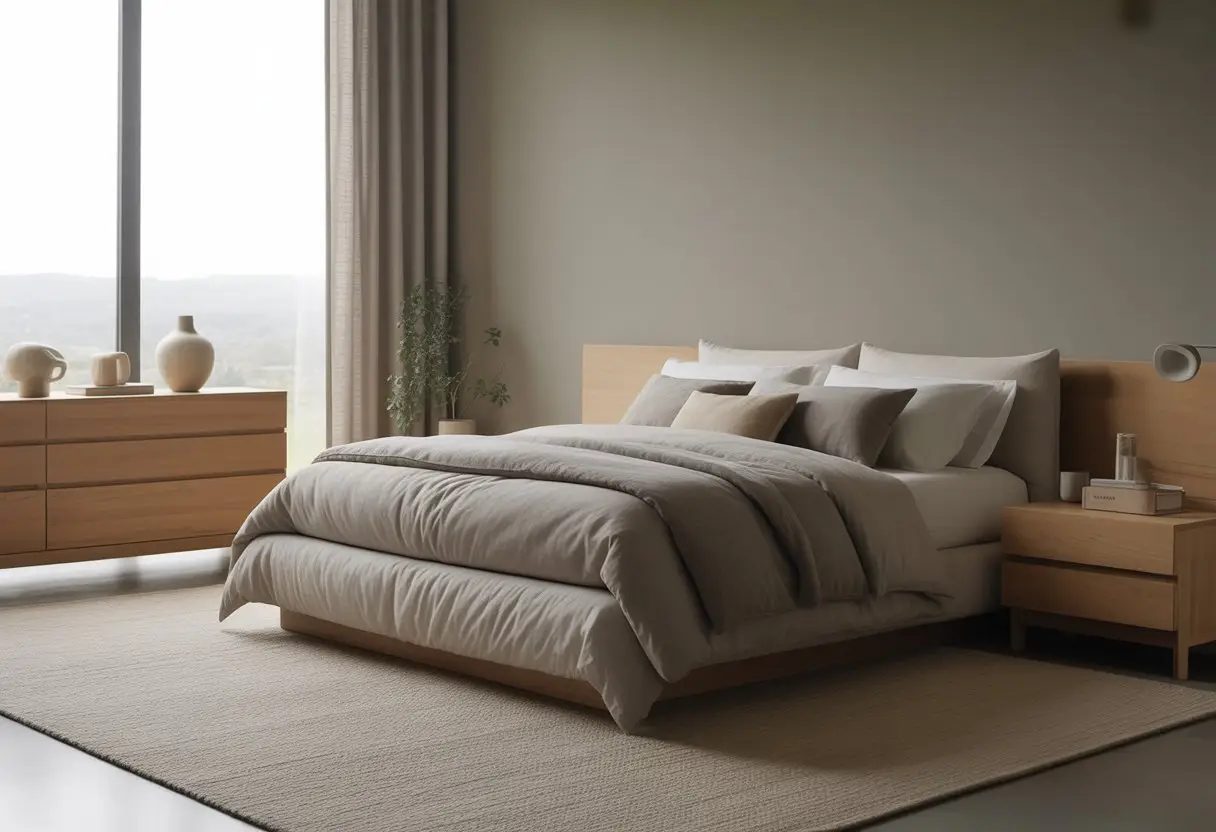
Gray walls and natural wood create a balanced, contemporary bedroom. The cool or neutral tones of gray soften the visual weight of wood, while wood adds warmth and texture to the room.
Light oak works well with pale gray because both colors keep the space bright and open. A gray upholstered bed, oak nightstands, and woven baskets can create a simple look with natural detail.
Darker wood, such as walnut, pairs best with medium or light gray walls. The contrast gives the room structure without making the design feel harsh. Clean-lined furniture helps maintain a sleek, modern style.
Wood flooring can also support this palette. A soft gray rug placed beneath the bed adds comfort and separates the furniture from the floor.
For a cohesive design, they should repeat the wood tone in two or three areas, such as the bed frame, lighting, and storage. White bedding, black fixtures, or muted green accents can complete the palette without competing with the gray and wood.
7) Concrete-effect gray walls for an industrial edge
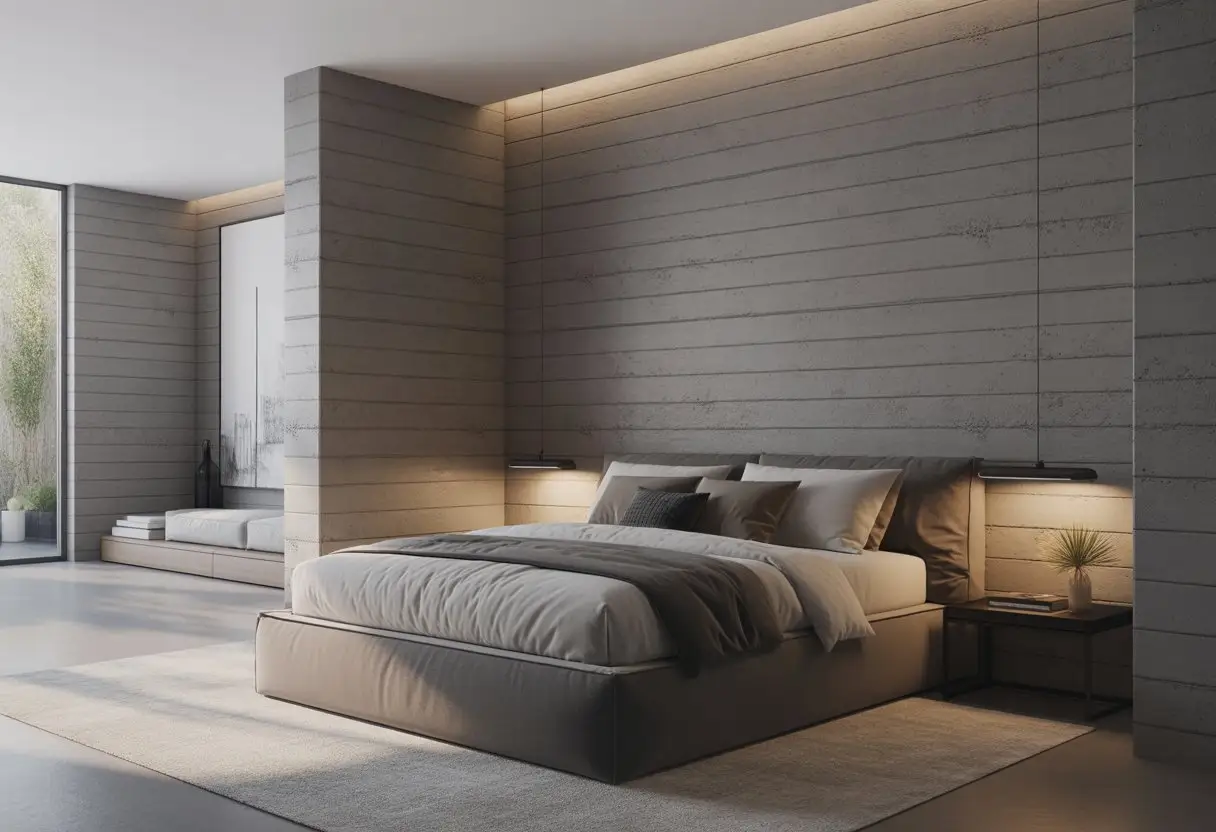
Concrete-effect gray walls add texture and structure without making a bedroom feel unfinished. They suit industrial interiors, but their neutral color also works well in sleek contemporary spaces.
A full accent wall behind the bed creates a strong focal point. Concrete-look wallpaper, textured paint, or large-format panels can provide the effect with less cost and mess than real concrete.
Soft furnishings help balance the hard appearance. An upholstered headboard, layered bedding, and curtains in cream, charcoal, or muted green can make the room feel more comfortable.
Wooden furniture adds warmth and prevents the gray palette from looking flat. Black metal lighting, simple shelving, and polished concrete-style flooring can support the industrial theme without overcrowding the room.
Lighting affects the finish significantly. Warm bedside lamps or concealed strip lighting can highlight the wall texture and soften its cooler tones. A matte finish usually looks more natural than a glossy surface.
8) Silver pendant lights over minimalist nightstands
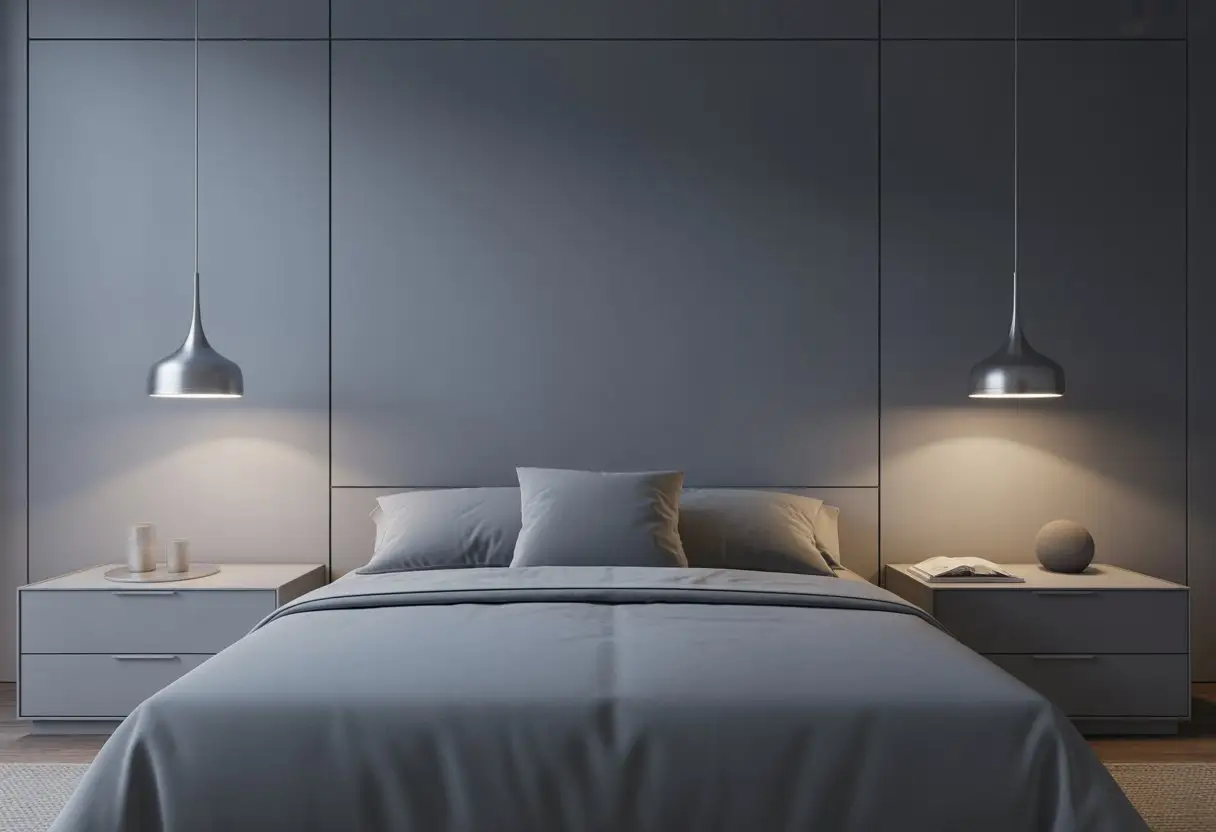
Silver pendant lights add a clean, reflective detail to a grey bedroom without taking up nightstand space. Their cool finish works well with charcoal walls, pale grey bedding, and other metal accents such as chrome or brushed steel.
Hanging one pendant on each side of the bed creates balance and keeps the layout simple. The fixtures should sit low enough to provide useful reading light, while leaving room for pillows and artwork behind them.
Minimalist nightstands pair best with pendants that have simple shapes, such as slim cylinders, round domes, or clear glass shades. A soft white bulb can reduce harsh shadows and add warmth to the room’s cooler grey tones.
The pendant cords or rods should match the room’s style and remain neatly arranged. Dimmers give the occupants more control, allowing brighter light for reading and a softer setting at night.
9) Floor-to-ceiling sheer gray curtains
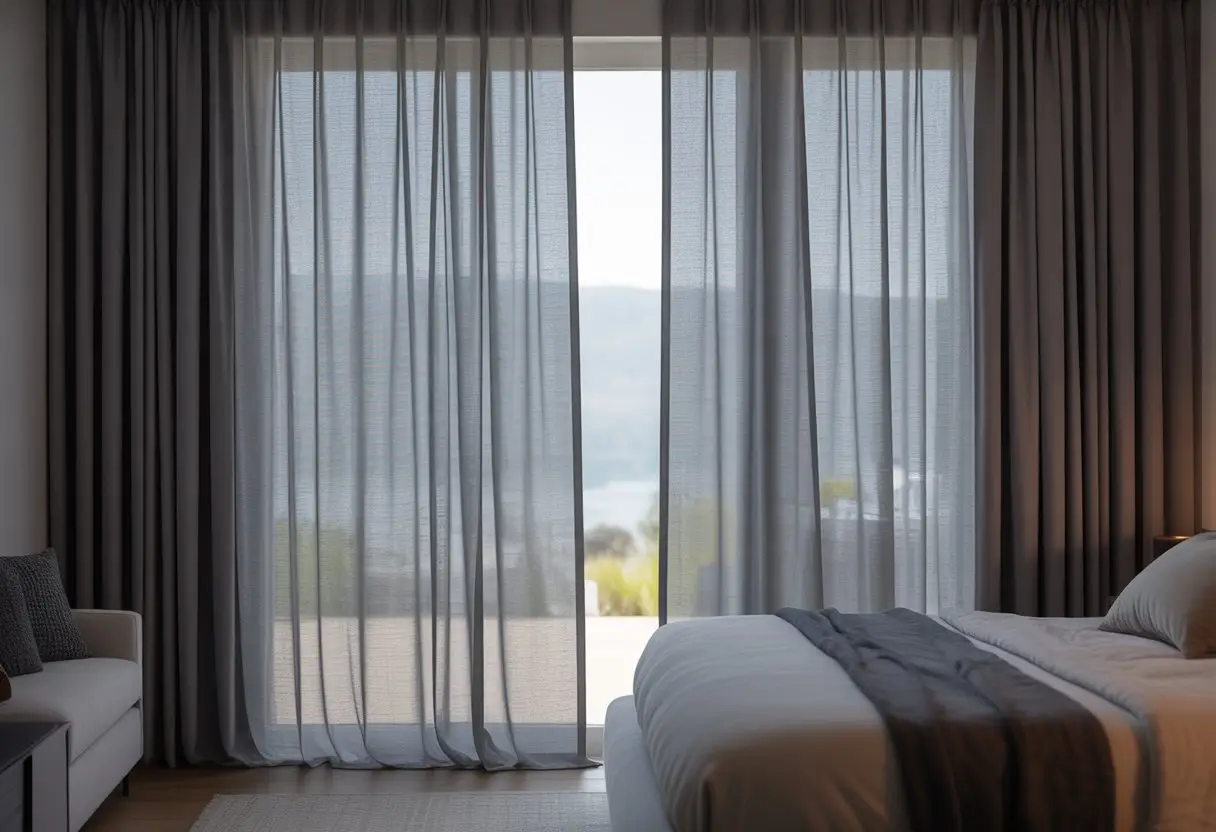
Floor-to-ceiling sheer gray curtains create a clean, modern look while allowing soft daylight into the bedroom. Their full length draws the eye upward and can make the ceiling appear taller.
Light gray works well with white walls, pale wood, and neutral bedding. Medium gray adds more contrast without making the room feel too dark. Linen, cotton, and polyester sheers offer different levels of texture and light control.
They can hang from a ceiling-mounted track or a slim rod placed close to the ceiling. The fabric should reach the floor, with either a slight break at the bottom or a neat finish just above it.
Sheer curtains provide limited privacy at night when interior lights are on. Pairing them with gray blackout panels or roller shades gives the room better privacy and light control while keeping the airy daytime effect.
10) Warm beige accents to soften cool gray
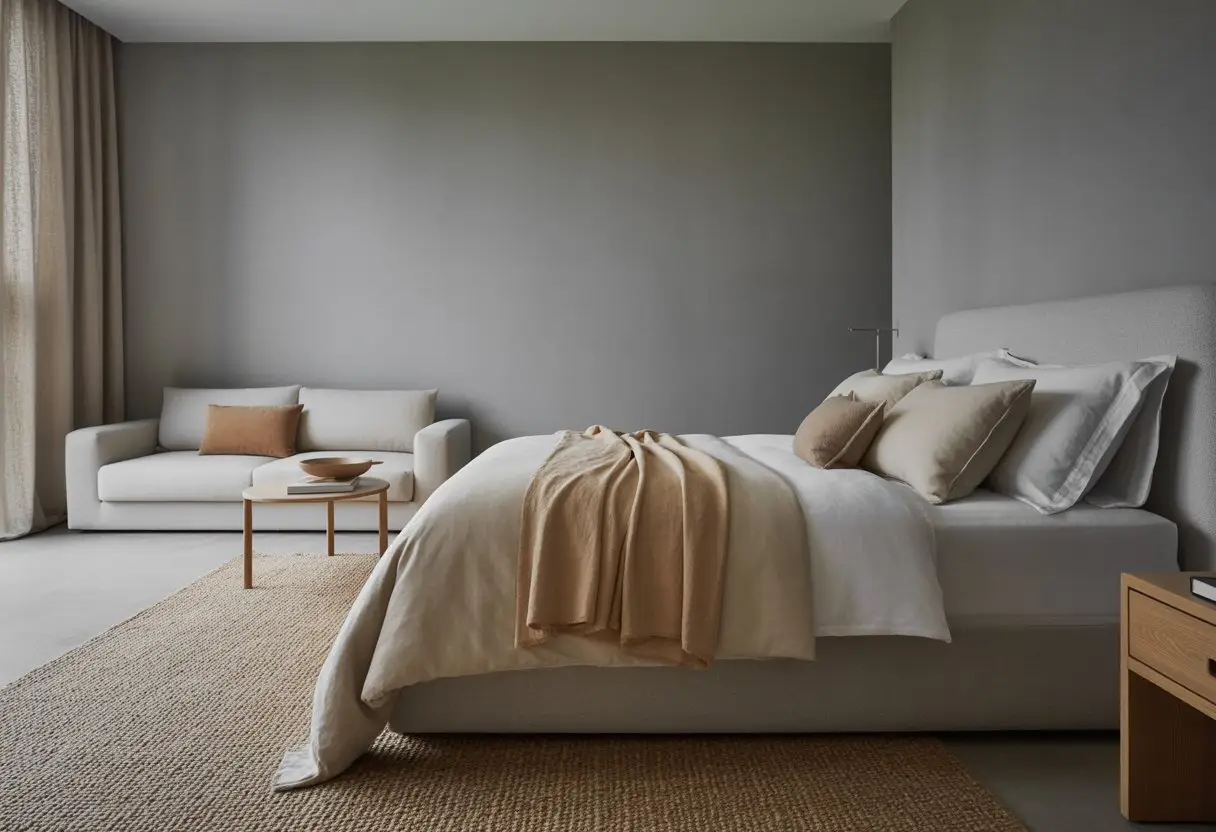
Warm beige accents can make a cool gray bedroom feel more comfortable without losing its modern style. Beige adds gentle warmth, while gray keeps the room clean and balanced.
A beige upholstered headboard creates a soft focal point against gray walls. Beige bedding, curtains, or a textured throw can repeat the color across the room and make the design feel connected.
Natural materials work well with this palette. A light wood nightstand, woven basket, jute rug, or linen pillow can add texture and prevent the gray from looking flat.
Lighting also affects the balance between these colors. Warm white bulbs can bring out the beige tones and create a softer evening setting. Black or dark gray accents, such as lamps or picture frames, can add contrast without disrupting the calm color scheme.
To keep the room sleek, they should limit the number of beige shades and choose pieces with simple shapes. Mixing matte gray surfaces with soft beige textiles creates depth while maintaining a contemporary look.
11) Geometric gray-and-white area rug
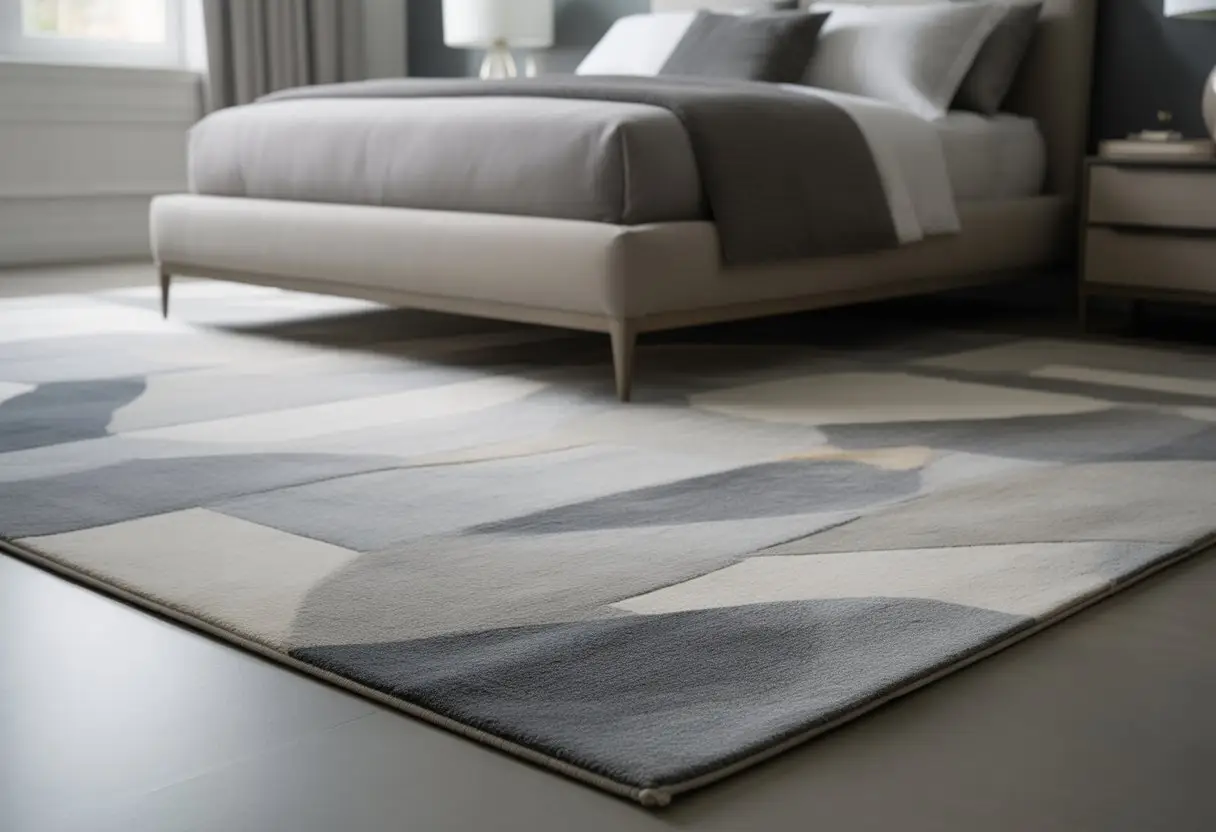
A geometric gray-and-white area rug adds structure to a contemporary bedroom without making the space feel busy. Its neutral colors pair well with gray walls, white bedding, black accents, and natural wood furniture.
The rug can sit beneath the bed, extend beyond the sides, or rest at the foot of the bed. A larger size helps connect the main furniture and creates a softer surface underfoot.
Low-pile synthetic rugs, including polypropylene and polyester, offer practical options for bedrooms. They tend to be easier to clean than some natural fibers, while wool and cotton provide different textures and levels of comfort.
A rug pad can help prevent slipping and keep the rug flat on smooth flooring. The pattern should complement the room’s other shapes rather than compete with bold artwork, patterned bedding, or heavily textured fabrics.
12) Sculptural lighting against a gray backdrop
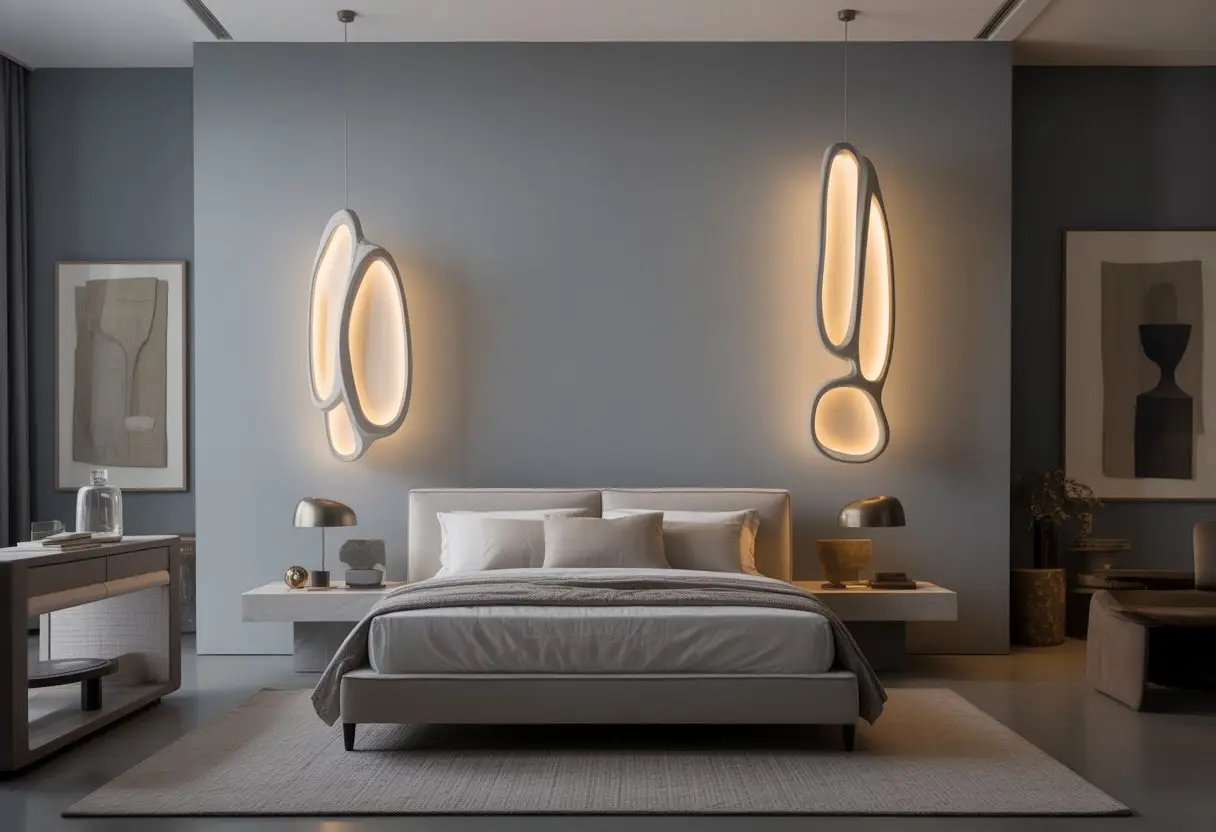
A sculptural light fixture can add shape and interest to a gray bedroom without making the space feel busy. A matte gray pendant, curved wall light, or simple geometric chandelier keeps the palette unified while creating a clear focal point.
The fixture should match the room’s scale. A larger pendant suits a bedroom with high ceilings, while a compact ceiling light works better in a smaller space. Placing matching lamps on bedside tables can create balance and provide useful reading light.
Gray walls can make some rooms feel cool, so warm bulbs and soft fabric shades help create a more comfortable setting. A fixture with brass, black, or wood details can also add contrast and prevent the design from looking flat.
Sheer gray curtains and light bedding can reflect natural light during the day. At night, layered lighting from the ceiling, bedside tables, and wall fixtures gives the room a softer and more practical glow.
13) Deep slate bedding with pale gray walls
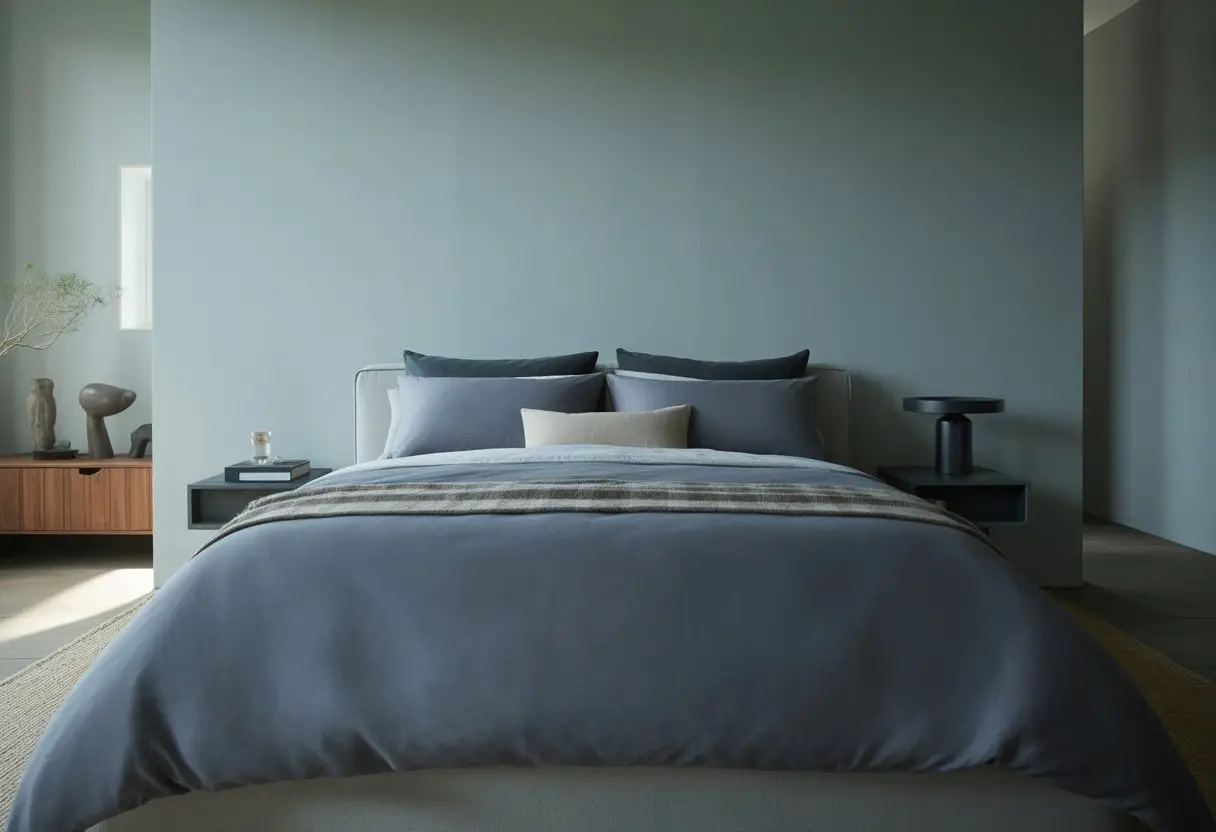
Deep slate bedding gives the bedroom a defined, contemporary look without making the space feel too dark. Pale gray walls create a softer backdrop and help the darker bedding stand out.
Layer the bed with slate sheets, a charcoal duvet, and a lighter gray throw. Mixing smooth cotton with knitted or quilted textures adds depth while keeping the color scheme controlled.
Light wood flooring or warm wood nightstands can balance the cool gray tones. Black metal lamps and simple framed artwork reinforce the sleek style without adding visual clutter.
For a brighter room, they can choose white pillows or crisp pale gray linens. Soft lighting from bedside lamps will warm the slate tones and make the space feel more comfortable at night.
14) Gray boucle bench at the foot of the bed
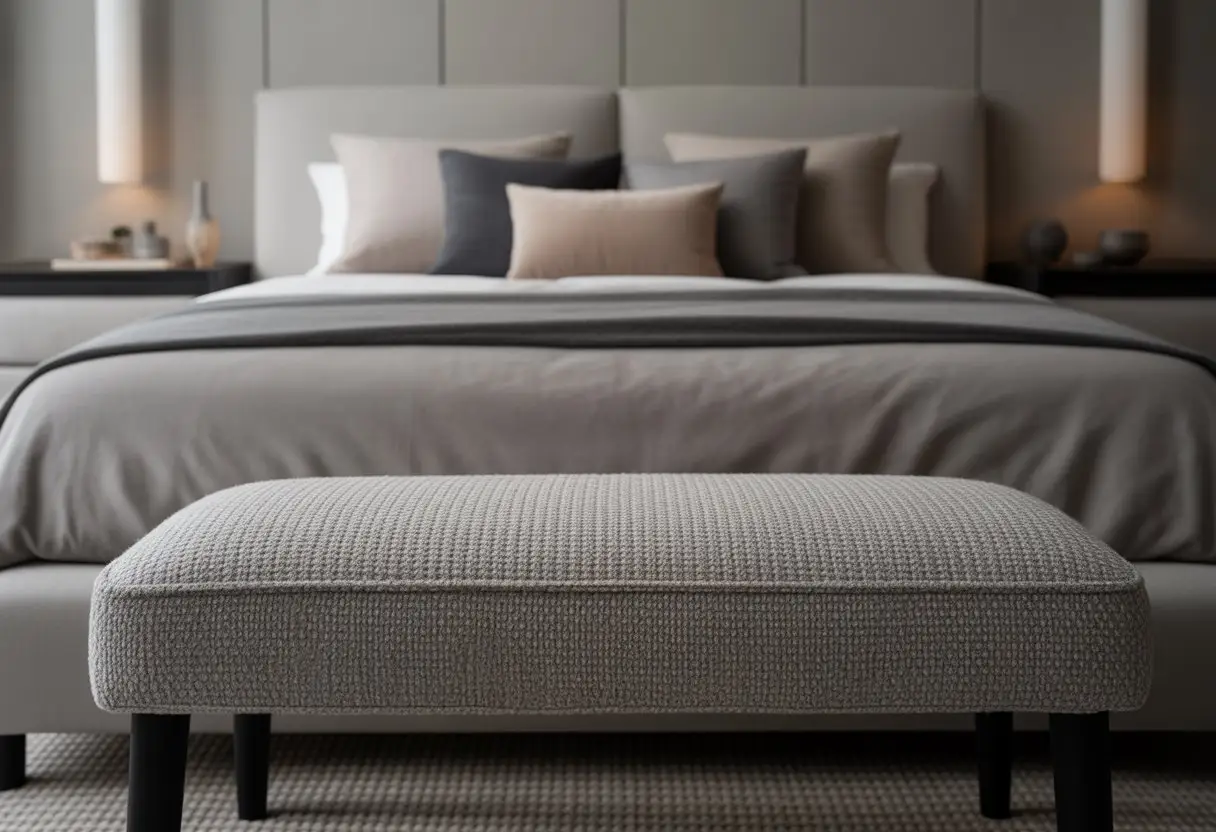
A gray boucle bench adds soft texture and a clean shape to a contemporary bedroom. Its pale gray color works well with white bedding, charcoal accents, warm wood, and other neutral tones.
Placed at the foot of the bed, the bench creates a practical spot for sitting, dressing, or arranging pillows. A long, simple design can match the width of the bed without making the room feel crowded.
Boucle fabric has a nubby texture that adds visual interest to smooth surfaces such as painted walls, metal lighting, or polished wood. They should check the care instructions, especially if the bench will receive frequent use.
For extra function, they can choose a storage bench with a lift-up seat. A low-profile model keeps the sleek look while providing space for blankets, pillows, or seasonal items.
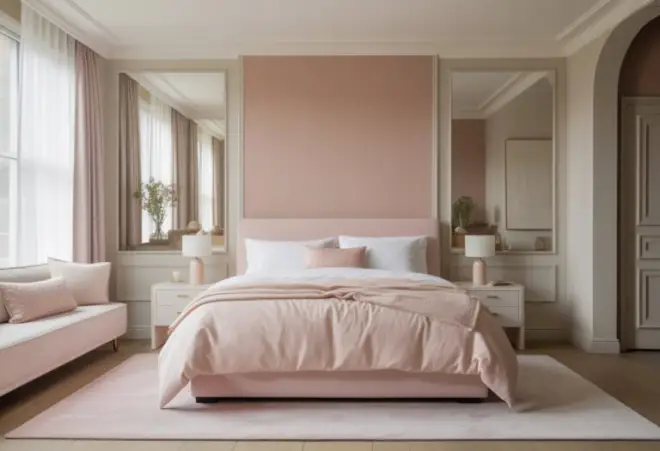
15) Muted blush accents for subtle contrast
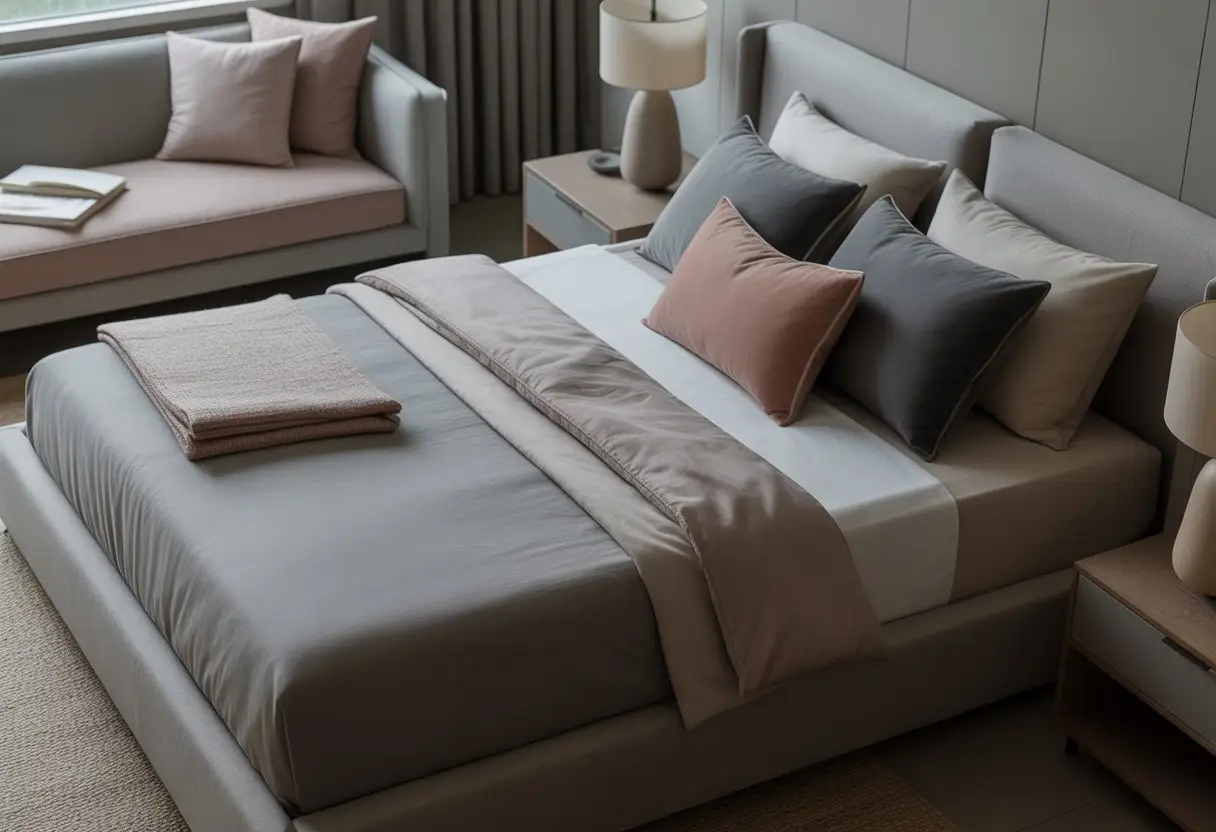
Muted blush accents add soft contrast to a grey bedroom without making the space feel overly colorful. The pairing works well with cool grey walls, flooring, or upholstered furniture.
They can introduce blush through bedding, cushions, curtains, or a small rug. Soft pink fabric adds warmth, while grey keeps the room balanced and contemporary.
For a polished look, the blush tone should stay dusty or muted rather than bright. White bedding, pale wood, and brushed brass details can support the color scheme without competing with it.
A grey platform bed with blush bedding creates a clean, modern base. Alternatively, a blush accent wall behind a grey or walnut bed can add depth while keeping the rest of the room simple.
Designing a Balanced Grey Color Palette
A balanced grey palette depends on two choices: the undertone that suits the room’s light and the contrast created with nearby neutral shades. Careful layering keeps grey bedrooms from feeling flat, cold, or too dark.
Choosing Undertones for Natural and Artificial Light
Grey paint can have blue, green, violet, or beige undertones. A blue-grey often suits bright rooms with warm sunlight, while a greige with beige undertones can soften bedrooms that receive limited daylight. Green-grey works well with wood furniture and plants, but violet-grey may look cooler under LED bulbs.
They should test large paint samples on several walls. The color may look different near a window, in a shaded corner, and under the bedroom’s evening lighting. A warm-white bulb around 2700K to 3000K can make cool grey appear more balanced, while bright daylight bulbs may emphasize blue tones.
Creating Contrast With Layered Neutrals
Layering several neutral shades gives a grey bedroom depth without adding strong color. A medium grey wall can pair with off-white bedding, light taupe curtains, and charcoal accents. White keeps the room bright, while darker grey adds structure through the headboard, rug, or bedside tables.
Texture also creates contrast. Linen bedding, a wool rug, matte-painted walls, and smooth ceramic lamps can separate similar shades. They should limit the palette to about three or four main neutrals and repeat each shade at least twice. Black metal details work best in small amounts, such as drawer pulls, frames, or light fixtures.
Finishing a Contemporary Bedroom Scheme
A sleek grey bedroom depends on balanced textures, layered lighting, and a controlled accent palette. Each choice should support clean lines while adding enough warmth and contrast to keep the room comfortable.
Selecting Materials and Textures
Smooth surfaces create a modern base. A painted grey wall, a simple upholstered headboard, and furniture with flat fronts can make the room look neat and connected. Matte finishes often feel softer than high-gloss surfaces and reduce harsh reflections.
Texture keeps grey from looking flat. They can combine cotton bedding, a wool throw, linen curtains, and a low-pile rug. A wood bedside table or woven basket adds warmth without disrupting the contemporary style.
They should limit the number of finishes in one area. For example, a charcoal fabric headboard can pair with pale grey bedding, light oak furniture, and black metal details. Repeating one material, such as wood or brushed metal, helps the design feel deliberate.
Using Lighting to Define the Mood
A contemporary bedroom needs several light sources instead of one bright ceiling fixture. They can use a central fixture for general light, bedside lamps for reading, and concealed LED strips under shelves or behind the headboard for a soft glow.
Warm white bulbs between 2,700K and 3,000K suit bedrooms. Dimmable controls let them adjust the room from bright morning light to a quieter evening setting. Frosted shades spread light evenly and soften grey walls.
The fixture shape should match the room’s lines. A slim black pendant, an opal glass lamp, or a simple wall sconce can add interest without crowding the space. They should place reading lights at a useful height and keep switches easy to reach from the bed.
Adding Accent Colors Without Losing Cohesion
Grey works with many accent colors, but a limited palette keeps the bedroom calm. They can choose one main accent and one supporting tone, then repeat both in small details such as cushions, artwork, or a throw.
Soft blush, muted blue, olive green, and warm beige suit lighter grey rooms. Charcoal grey pairs well with cream, rust, deep green, or brass. Black accents provide structure, while wood tones prevent the scheme from feeling too cold.
They should test colors beside the actual grey paint because lighting changes how each shade appears. A useful guide is the 60-30-10 balance: about 60% dominant grey, 30% supporting neutrals, and 10% accent color. This keeps bold details controlled rather than scattered.
Frequently Asked Questions
Grey works well with crisp white, warm wood, black, navy, blush, and muted green. The right shade, layered textures, balanced lighting, and space-saving furniture can create a sleek bedroom that still feels comfortable.
What colours go best with grey bedroom walls?
Crisp white creates a clean, modern contrast with grey walls, especially when used on trim, bedding, or curtains. Warm beige and natural wood soften cooler grey shades without making the room look dull.
Black adds structure and suits a contemporary design. Navy, olive green, dusty pink, and muted blue also pair well with grey when used in small amounts through cushions, art, or rugs.
How can I make a grey bedroom feel warm and inviting?
The room can gain warmth through layered fabrics, such as cotton sheets, a knitted throw, velvet cushions, and a textured rug. Bedding in several grey tones adds depth without breaking the calm colour scheme.
Warm white bulbs, bedside lamps, and wood furniture can reduce the cool effect of grey walls. A few plants, framed prints, and personal objects also make the space feel less plain.
What are the best shades of grey for a modern bedroom?
Soft dove grey suits bedrooms that need a light, airy finish. It works especially well with crisp white trim and pale flooring.
Mid-grey offers a balanced look and hides minor marks better than very light shades. Charcoal grey creates a stronger focal point, particularly on the wall behind the bed, but it needs good lighting and lighter furnishings.
How do I style a small grey and white bedroom?
A small room benefits from soft grey walls, white bedding, and white or pale wood furniture. This combination reflects more light and helps the space feel open.
A platform bed with built-in storage can reduce clutter. Slim black nightstands, wall-mounted lights, and one large mirror add function without taking up much floor space.
What furniture works best in a charcoal grey bedroom?
Light or medium wood furniture adds warmth against charcoal walls. White pieces can create a sharper contrast, while black nightstands support a sleek monochrome design.
An upholstered grey platform bed can coordinate with the wall while varied bedding textures prevent the room from looking flat. Metal details in black, brass, or brushed nickel can add a controlled accent.
What bedroom colour trends pair well with grey in 2026?
Warm neutrals, muted greens, soft blue, and clay tones pair well with grey in 2026. These colours add warmth while keeping the room restrained and modern.
Natural wood, woven materials, and soft off-white fabrics also suit current bedroom designs. Designers can use these accents with grey walls or bedding without losing the clean look of the space.